

Views: 0 Author: Site Editor Publish Time: 2024-10-29 Origin: Site


Hydraulic hose is an important part of the hydraulic system and is widely used in many fields such as industry, agriculture, construction, and aviation. Its function is to transmit hydraulic oil or other liquid media in the hydraulic system to transfer energy and power. However, hydraulic hoses need to pay special attention to some matters during use to ensure their normal operation and extend their service life. This article will elaborate on the precautions during the use of hydraulic hoses, including installation, maintenance, storage, etc.
Hydraulic hose is an important part of the hydraulic system and is widely used in many fields such as industry, agriculture, construction, and aviation. Its function is to transmit hydraulic oil or other liquid media in the hydraulic system to transfer energy and power. However, hydraulic hoses need to pay special attention to some matters during use to ensure their normal operation and extend their service life. This article will elaborate on the precautions during the use of hydraulic hoses, including installation, maintenance, storage, etc.
When selecting a hydraulic hose, the appropriate hose type and specification should be selected according to factors such as the pressure, temperature, fluid medium, and working environment of the hydraulic system. Different types of hydraulic hoses have different performance indicators such as pressure resistance, temperature resistance, and oil resistance, so they must be selected according to actual conditions.
When installing the hydraulic hose, ensure that the hose is not twisted and avoid a small bending radius. A small bending radius will cause excessive stress on the internal reinforcement layer of the hose, thereby shortening the service life of the hose. In general, the minimum bending radius of the hose should be about 9 times its outer diameter.
When installing the hydraulic hose, keep it in a natural state and avoid installation in a tensioned state. The tensioned state will cause excessive tension on the internal reinforcement layer of the hose, which may easily cause the hose to rupture or the joint to fall off. Therefore, during the installation process, the length of the hose should be adjusted appropriately to keep it in a relaxed state.
The hydraulic system will produce pressure fluctuations during operation, so the hydraulic hose should be installed with enough length to adapt to pressure changes. This can prevent the hose from being overstretched or compressed due to pressure fluctuations, thereby extending the service life of the hose.
There are many ways to connect the joints of the hydraulic hose, such as ferrule type, welding type, etc. The joint connection method should be chosen according to the specific application scenario and pipeline requirements. At the same time, during the connection process, ensure that the seal between the joint and the hose is good to prevent leakage.
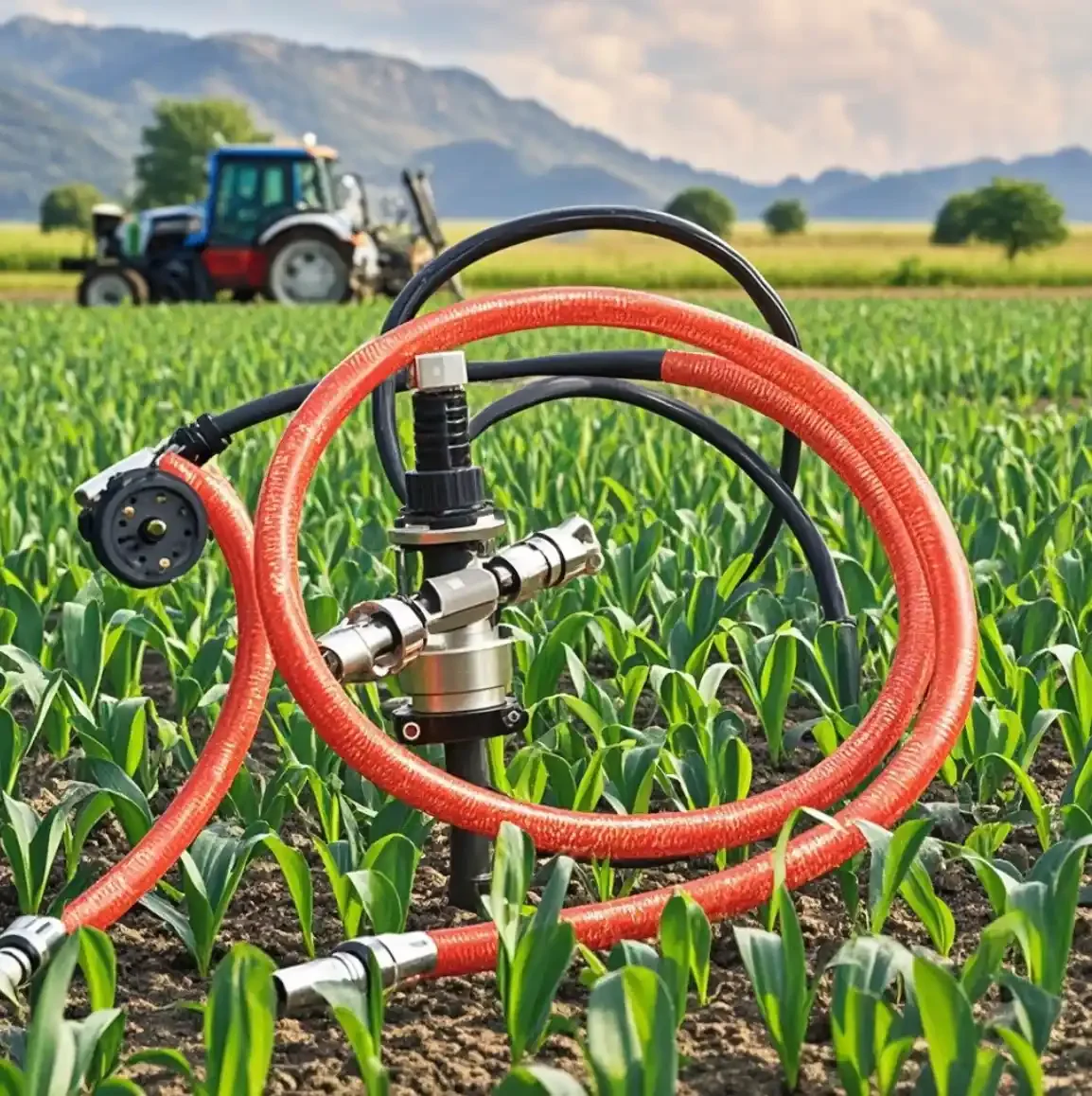
In order to ensure the normal operation and safety of the hydraulic system, the hydraulic hose assembly should be checked regularly. The inspection content includes whether the hose has damage, aging, cracks, etc.; whether there is leakage at the joint; and whether the hose has twisting or too small bending radius. If any abnormality is found, it should be handled or replaced in time.
The hydraulic hose should be kept clean and dry during use. If there is dirt or moisture residue on the surface of the hose, it will affect its sealing and durability. Therefore, during maintenance, the dirt and moisture on the surface of the hose should be cleaned regularly and ensured to be dry.
The hydraulic hose should avoid contact with sharp objects during use. Sharp objects may puncture the outer rubber layer or reinforcement layer of the hose, resulting in leakage or rupture. Therefore, during maintenance, care should be taken to protect the hose from damage by sharp objects.
The performance of hydraulic hoses will vary at different temperatures. When used in high-temperature environments, attention should be paid to the temperature resistance limit of the hose; when used in low-temperature environments, attention should be paid to insulation measures to avoid problems such as the hose becoming hard and easy to break. Therefore, during maintenance, attention should be paid to the impact of changes in ambient temperature on the performance of the hose.
Hydraulic hoses should be stored in a dry and cool place during storage to avoid damage from harsh environmental conditions such as direct sunlight and rain. At the same time, be careful to stay away from heat sources and chemicals that may corrode the hose.
During storage, avoid stacking hydraulic hoses too high to prevent the bottom hose from being deformed or damaged due to excessive pressure. It is recommended to use appropriate support racks or pallets for layered storage to ensure that each hose is well-supported and protected.
In order to ensure that the hydraulic hoses in stock are in good condition, they should be checked regularly. The inspection content includes whether the appearance of the hose is damaged, aging, cracked, etc. and whether the inventory quantity is accurate. If any abnormality is found, it should be handled in time or the inventory information should be updated to replenish the required model and specification of hoses in time.
As an important part of the hydraulic system, the use and maintenance of hydraulic hoses require special attention to ensure their normal operation and extend their service life. This article elaborates on the precautions in the use of hydraulic hoses from three aspects: installation, maintenance, and storage. I hope it will be helpful to readers. In actual work, we should flexibly apply these precautions according to specific circumstances and continuously summarize and improve them in combination with practical experience to ensure the safe and stable operation of the hydraulic system.


