

Views: 0 Author: Site Editor Publish Time: 2024-05-22 Origin: Site


Hydraulic hoses are an indispensable part of the hydraulic system. They undertake the important tasks of transmitting hydraulic power and protecting the hydraulic system. Selecting the proper hydraulic hose size and gauge is critical to the proper operation of your hydraulic system. This article will look at some of the key factors in selecting hydraulic hose sizes and specifications to help you make an informed decision.
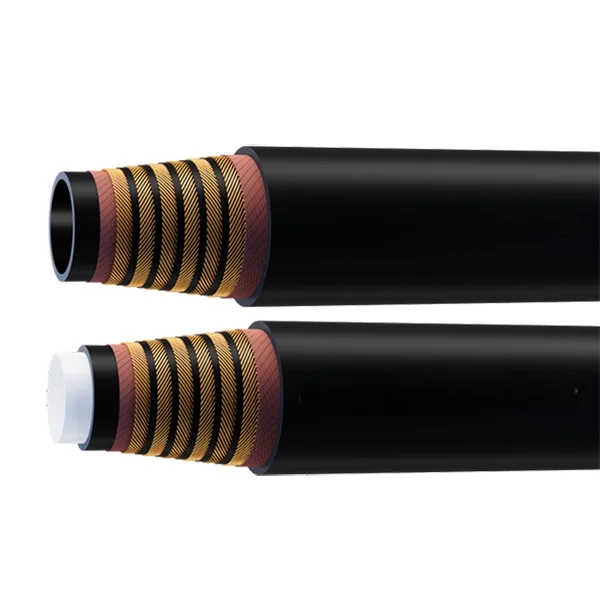
First, we need to understand the basic principles of hydraulic systems. Hydraulic systems transfer energy through incompressible fluids to convert force and motion. During this process, the hydraulic hose must withstand the pressure from the hydraulic oil, so the selection of its material, structure and size is particularly important.
Before choosing a hydraulic hose, we need to consider the following key factors:
1. Working Pressure: The working pressure of a hydraulic hose is the primary consideration in selecting size and specification. The working pressure of the hose must be able to withstand the maximum working pressure in the hydraulic system to ensure safe operation of the system. When selecting hydraulic hoses, you should check relevant standards and specifications to ensure that the working pressure of the selected hose meets the system requirements.
2. Inner diameter size: The inner diameter size of the hydraulic hose directly affects the flow rate and pressure loss of the liquid. Larger bore sizes provide greater flow but increase pressure losses in the system. Smaller bore size reduces pressure loss but limits flow. Therefore, selecting the appropriate bore size requires a comprehensive consideration of the flow requirements and pressure losses of the hydraulic system.
3. Outer diameter size: The outer diameter size of the hydraulic hose directly affects the bending radius and installation space of the hose. Larger outer diameter sizes increase the bending radius of the hose, limiting its installation in tight spaces. Therefore, when selecting hydraulic hoses, the installation space and bending requirements of the hydraulic system should be considered and the appropriate outer diameter size should be selected.
4. Temperature range: Hydraulic hoses will be affected by temperature during use. Hoses of different materials have different temperature resistance ranges. When selecting hydraulic hoses, consider the operating temperature range of the hydraulic system and select a hose material that can accommodate that temperature range.
5. Flow requirement: Flow is the volume of fluid flowing through a certain section per unit time. Different hydraulic applications have different flow requirements, which directly affects the selection of the inner diameter of the hose. Generally speaking, the larger the inner diameter, the more hydraulic oil can flow, but it also takes up more space.
6. Material selection: The material selection of hydraulic hoses is also very important. Common hydraulic hose materials include rubber, polyester, polyurethane, and metal. Different materials have different wear resistance, corrosion resistance and pressure resistance. When selecting hydraulic hoses, appropriate materials should be selected based on the working environment and requirements of the hydraulic system.
7. Connector type: The way the hydraulic hose is connected to the system also affects the hose selection. Common types of joints include threaded connections, flange connections, etc. Each connection method has its specific requirements and restrictions.
8. Standards and specifications: The selection of hydraulic hoses should comply with relevant standards and specifications. For example, standards such as ISO 1436, SAE J517 and EN 853 provide size, specification and performance requirements for hydraulic hoses. Following these standards and specifications ensures the quality and performance of the hose you choose.
In summary, selecting the appropriate hydraulic hose size and specification requires comprehensive consideration of factors such as operating pressure, inner diameter size, outer diameter size, temperature range, material selection, and compliance with standards and specifications. Only with a full understanding of the needs and requirements of the hydraulic system can we make wise choices to ensure the normal operation and safety of the hydraulic system.


